Diamond blades are widely used tools in construction, manufacturing, and renovation projects. They are designed to cut hard materials such as concrete, granite, and ceramic tiles with accuracy. Over time, these blades have become more advanced and efficient, making them a key part of many industries. Their strength and durability make them stand out.
Design and Manufacturing Process
Diamond blades are made using a steel core and a cutting edge that contains synthetic diamond particles. These particles are held together by a metal bond, which is carefully chosen based on the intended use of the blade. During production, the segments are attached through high-temperature processes that ensure they stay fixed during heavy use. The blade works by grinding material instead of slicing it.
Different blades use different bonding strengths depending on the material being cut. Softer bonds allow diamonds to wear faster, which is useful when cutting harder surfaces like reinforced concrete. Harder bonds last longer when used on softer materials. Precision comes from this balance.
Applications in Various Industries
Diamond blades are used in many industries, including construction, road work, and interior design. Workers often rely on these blades for cutting tasks that require both speed and accuracy, sometimes completing over 400 cuts in one workday depending on the job size and material type. These tools help reduce effort and improve results. Efficiency matters a lot.
Many professionals also explore digital tools and resources that support their workflow, including solutions like which highlight how modern technology connects different industries in practical ways. This shows how tools and services evolve together over time. Connections expand steadily.
Types of Diamond Blades
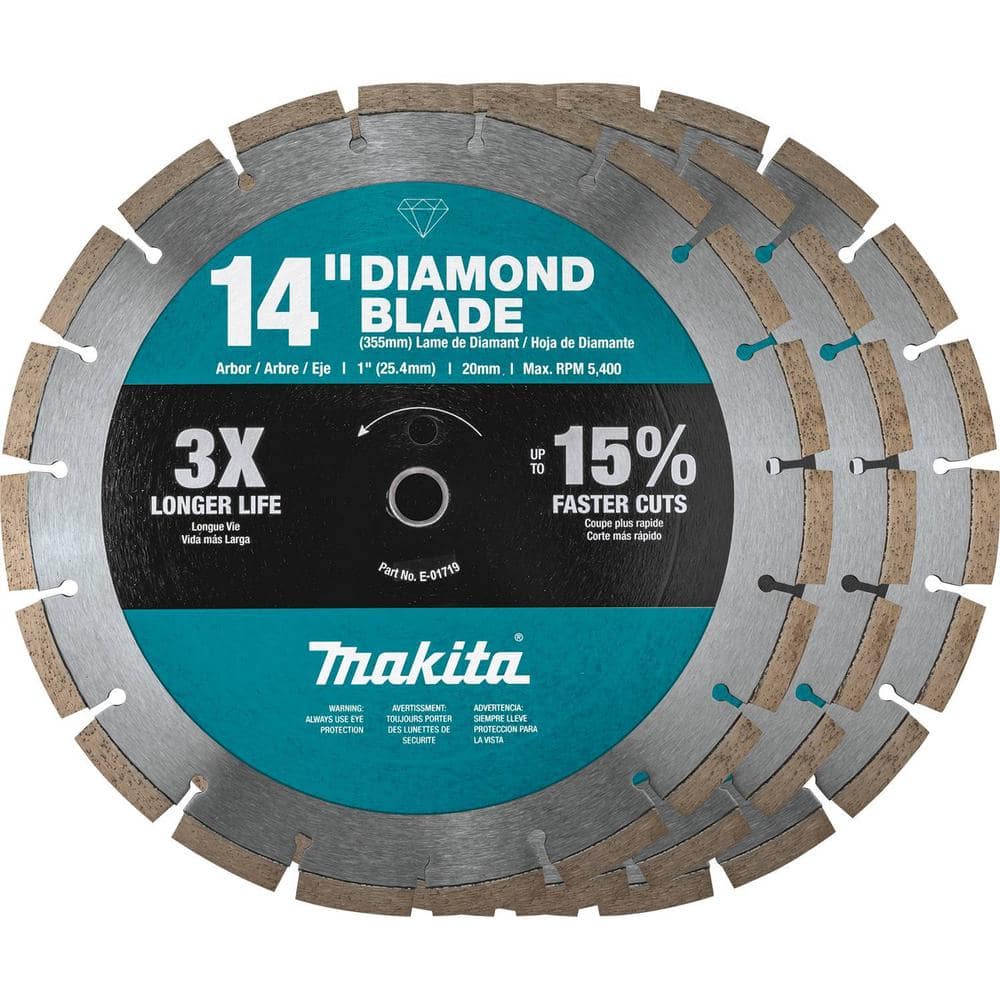
There are several types of diamond blades designed for specific tasks. Segmented blades are commonly used for cutting concrete and asphalt because they allow better airflow and cooling. Continuous rim blades are smoother and are used for cutting tiles where a clean edge is needed. Turbo blades offer a mix of speed and smoothness.
Choosing the correct blade affects both performance and cost. A blade used incorrectly may wear out quickly or produce uneven cuts. Some blades can last for 50 hours of use under proper conditions. Selection is important. It saves time.
Maintenance and Safety Tips
Proper maintenance helps extend the life of Diamond Blades Cleaning the blade after use removes dust and debris that can reduce performance during the next operation. Regular checks for damage or wear can prevent sudden failures. Small steps make a difference.
Safety is critical when using cutting tools at high speeds. Workers should always wear protective equipment such as gloves, goggles, and helmets to reduce the risk of injury. Even a small mistake can cause harm. Care is essential.
Performance Factors and Efficiency
Several factors influence how well a diamond blade performs. The speed of the machine, the pressure applied, and the hardness of the material all play a role in determining the quality of the cut. Using too much force can damage the blade and reduce its lifespan. Balance is key.
Environmental conditions such as heat, moisture, and dust levels can also affect performance, especially during long cutting sessions that may last several hours without interruption and require consistent results throughout the process. Skilled workers adjust their approach based on these conditions. Experience helps a lot.
Future Developments in Diamond Blade Technology
Advancements in technology are improving the design and efficiency of diamond blades. Manufacturers are developing new bonding materials that last longer and provide consistent cutting performance across different surfaces. Some modern blades are designed to reduce noise and vibration. This improves comfort.
Research is also focused on reducing material waste and making production more efficient, which can lower costs while maintaining high quality and supporting sustainable practices in industrial manufacturing. Innovation continues steadily. Progress is clear.
Diamond blades remain essential tools in many industries due to their strength and precision. They support efficient cutting and help workers achieve accurate results in demanding conditions. With proper care and correct selection, these tools can deliver reliable performance and long-lasting value in a wide range of applications.